
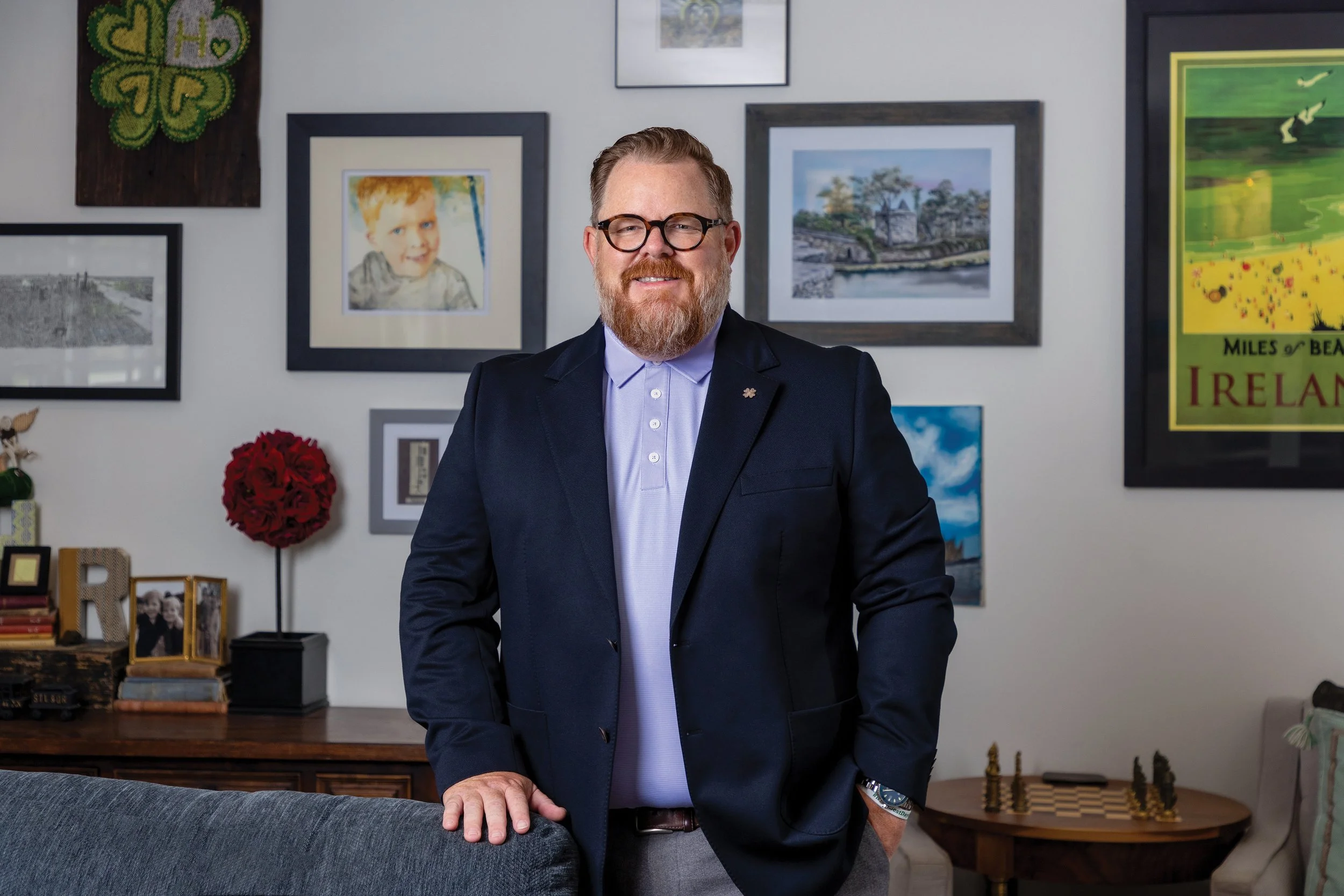
Hospitality & Hope
With Hope Through Hollis, R. Shane Doherty proves love is stronger than loss
By Kaylor Jones / Photos by Claudia Johnstone
Though both his career and life have taken some unexpected turns, R. Shane Doherty’s work in the commercial real estate and nonprofit worlds are united by his passion for helping others.
Before the pandemic, Doherty had reached the height of his career in the hospitality industry when he joined the world’s largest gaming group purchasing organization, the first tailored to the unique supply chain, culinary and procurement needs of commercial and tribal gaming enterprises.
But in 2020, Doherty lost what he’d thought was his forever job. He was surprised, humbled and unsure of what was next – until, during a game of golf, a good friend told Doherty that his background in hospitality, strategic partnerships and business development would translate perfectly to commercial title and escrow.
“That round of golf changed the trajectory of my life,” Doherty says. “What began with a laugh and a healthy dose of skepticism ultimately led me to Tonya Lively and Commonwealth Land Title Phoenix NCS.”
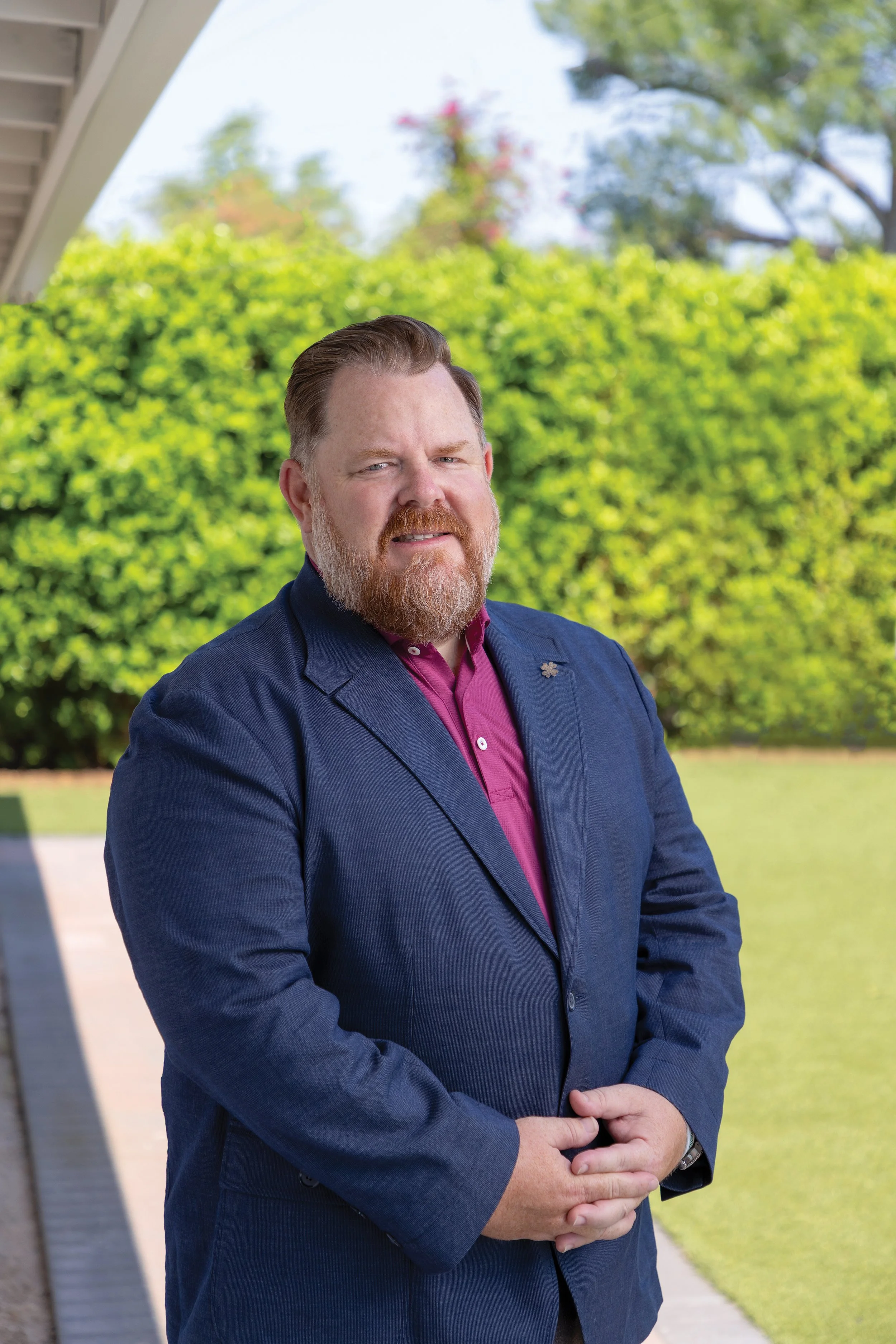
Now, as vice president of national commercial accounts, Doherty says the best part of the job is without a doubt the people.
“No two deals are alike, and that constant opportunity to think strategically, solve problems and create value is what makes this business so rewarding. I love earning the trust of clients who place some of their most important investments in our hands. I never want our clients to feel like they’re simply another file on someone’s desk – they have a trusted adviser and a national team that’s invested in their success long before the transaction begins and long after it closes.”
Hope Through Heartbreak
In everything he does, Doherty’s biggest inspiration is his son, Hollis, who passed away in 2017 from a brain stem tumor called diffuse intrinsic pontine glioma (DIPG).
“Hollis was a healthy, rambunctious 7-year-old who was loved by everyone who met him. His vivacious smile and mischievous laugh drew people to him. He loved sports and was athletic and healthy, until one day he wasn’t.”
Shortly after his 7th birthday, Hollis’s complaints of headaches, double vision and nausea led to a diagnosis of DIPG, a rare tumor with limited treatment options. The family was told to go home and make memories together – and they did, during what they call Hollis’ “Most Best Days.”
Doherty’s family founded Hope Through Hollis to honor their son’s legacy – a reminder that while DIPG stole his future, it will never define the impact he has on the world. Every dollar raised (www.hopethroughhollis.org) supports life-changing research into pediatric brain cancer, furthering the goal of finding a cure in our lifetime.
“This is one of the greatest gifts we could ever give Hollis: to ensure that his name is forever associated with hope, healing and the relentless pursuit of a day when no family must hear the words, ‘Your son or daughter has DIPG.’”
Last year, the foundation’s annual charity golf tournament raised over $106,000 for pediatric brain cancer research. With the 11th annual tournament coming up on September 27, Doherty reflects on the impact of the community’s support.
“It serves as a powerful reminder that Hollis’ legacy grows stronger with each passing year,” he says. “There are no words to fully express what it means to witness this incredible outpouring of love. It reminds us that we don’t carry this journey alone.”
To date, Hope Through Hollis has raised more than $2 million dollars, and though the grief never leaves, the impact provides Doherty with a profound sense of comfort.
“The most meaningful part is knowing that every contribution represents someone who chose to stand with children and families facing the unimaginable. Hollis’ story did not end the day we lost him. It lives on in every life touched, every breakthrough pursued, every family embraced and every person who chooses hope over despair.”
A Legacy of Love
None of this would be possible without the tireless support of Doherty’s son, Rhett, and his college sweetheart and wife of 26 years, Shawnee.
“I must speak about Shawnee’s strength as a wife and mother, and the grace with which she has navigated unimaginable loss. Watching her continue to love, serve and persevere has shaped my own resilience.”
As has witnessing their son Rhett’s courage through the loss of his little brother and best friend.
“No child should have to carry that kind of grief. Yet somehow, Rhett has continued to move forward. He has faced questions that have no easy answers, wrestled with emotions that many adults struggle to process and learned far too early that life isn’t always fair. Through it all, he has continued to grow into a young man of character and compassion.”
Doherty has made plenty of his own mistakes as he balances his loss with his family, career and friendships, but he strives to always choose humility, forgiveness, presence, and purpose. Through it all, Rhett provides him with all the inspiration he needs to get going, just by being himself.
“Rhett he has shown me what resilience looks like. He reminds me that our past doesn’t have to define our future, that love never disappears with loss and that even after heartbreak, it is still possible to build a meaningful, joyful life. While I will always be his father, there are many moments when he has quietly become one of my greatest teachers.”